





A driveway can quickly collect mud, tyre marks, moss, algae and oil stains, especially during the UK’s wetter months. A pressure washer can remove this build-up efficiently, but the safest cleaning method depends on whether your driveway is made from block paving, tarmac or concrete.
The most important rule is simple: do not begin with the highest pressure available. Start gently, test a small area and adjust the spray according to the condition of the surface.
Can You Pressure Wash Your Driveway?
Most sound concrete and block-paved driveways can be pressure washed safely.
Block paving needs additional care because an incorrectly directed jet can remove the jointing sand that helps keep the blocks stable. Tarmac should be treated more cautiously. Low pressure may be suitable for a conventional tarmac surface in good condition, but cracked, loose or porous asphalt may not be suitable for standard pressure washing. Traditional pressure-washing equipment can force dirt further into the pores of porous asphalt.
Before starting, inspect the driveway for loose blocks, cracks, potholes, crumbling edges or areas where the top layer is already lifting. Pressure washing will not repair existing damage and may make weak areas worse.
What You Will Need
Prepare the following equipment:
-
A pressure washer with a wide fan or adjustable nozzle
-
A stiff outdoor broom
-
Gloves, safety glasses and closed-toe footwear
-
A driveway-compatible detergent or degreaser
-
A stiff-bristled brush for stubborn stains
-
Kiln-dried jointing sand for block paving, if required
Move vehicles, pots, bins and outdoor furniture away from the driveway. Sweep up leaves, stones and loose dirt, then remove thick moss and weeds by hand.
Close nearby doors and windows, protect outdoor sockets and check where the dirty water will flow. Avoid washing oil, detergent and heavy sediment towards the road or into surface-water drainage.
During dry periods, check whether your local water company has introduced a Temporary Use Ban. Depending on the local restrictions, hosepipes and connected pressure washers may not be used to clean patios or driveways.
How to Pressure Wash a Driveway Step by Step![]()

1. Set Up the Pressure Washer
Connect the machine to a cold-water supply and check that all fittings are secure. Fully extend and straighten the pressure hose so that it cannot kink, snag or become trapped beneath a vehicle.
2. Test a Small Area
Attach a wide fan nozzle and begin with a low-pressure setting. Test an inconspicuous corner before cleaning the main driveway.
Hold the lance at an angle rather than pointing it vertically downwards. Check for discolouration, loosened material or visible surface marks before continuing.
3. Pre-Rinse the Surface
Wet the driveway evenly to loosen general dirt. Pre-rinsing also prevents cleaning products from drying too quickly on the surface.
4. Pre-Treat Stubborn Stains
Apply a surface-compatible cleaner to oil stains, tyre marks, algae or deeply ingrained dirt. Follow the product instructions and allow sufficient time for it to work, but do not let the cleaner dry completely.
Fresh oil should be absorbed before washing. Older oil stains usually require a suitable degreaser and local scrubbing rather than additional water pressure.
5. Clean in Sections
Begin at the higher end of the driveway and work towards the drainage direction. Divide the surface into manageable sections and use slow, overlapping passes.
Keep the nozzle moving. Holding the jet in one place may create pale cleaning marks or damage the surface. Marshalls recommends holding the lance at an oblique angle and maintaining a minimum distance of approximately 200 mm when cleaning paving.
6. Rinse and Inspect
Rinse away loosened dirt and cleaning solution with fresh water. Allow the driveway to dry before deciding whether any areas require a second, targeted treatment.
How to Pressure Wash Block Paving
Use low to medium pressure and move the spray diagonally across the blocks rather than parallel to the joints.
Do not repeatedly blast weeds or moss from between the blocks. This can remove excessive jointing sand and weaken the paving structure. Heavy growth should be loosened manually before the surface is rinsed.
Once the driveway is completely dry, inspect the joints. If sand has been removed, refill them with a suitable jointing material before allowing regular vehicle traffic back onto the driveway.
How to Pressure Wash a Tarmac Driveway
Tarmac requires the lightest approach.
Use a wide fan spray, low pressure and a greater distance between the nozzle and the surface. Avoid turbo nozzles and concentrated jets.
Stop immediately if black particles become loose, the texture becomes rougher or the colour changes significantly. Do not pressure wash areas that are cracked, soft, crumbling or recently repaired.
If you have a porous asphalt driveway, check the installer’s maintenance guidance before cleaning it with a pressure washer.
How to Pressure Wash a Concrete Driveway
Sound concrete can generally tolerate more cleaning pressure than tarmac, but it should still be tested first.
Use steady, overlapping strokes to prevent visible cleaning lines. Avoid directing the jet into cracks, expansion joints, chipped edges or flaking repairs.
For oil stains, apply a concrete-compatible degreaser and scrub the affected area before rinsing. Increasing the pressure alone may spread the oil rather than remove it evenly.
Decorative, coloured or sealed concrete may also require a gentler setting to avoid damaging its surface finish.
Common Pressure-Washing Mistakes
Avoid:
-
Starting at maximum pressure
-
Holding the nozzle too close
-
Using a narrow jet on delicate materials
-
Spraying directly along block-paving joints
-
Trying to remove oil with water pressure alone
-
Ignoring cracks or loose surface material
-
Allowing detergent and dirty runoff to enter drainage systems
Pressure washing should lift dirt from the driveway—not remove part of the driveway itself.
Choosing a Pressure Washer for a UK Driveway
For many UK homes, particularly terraced and semi-detached properties, hose reach and storage can be as important as maximum pressure.
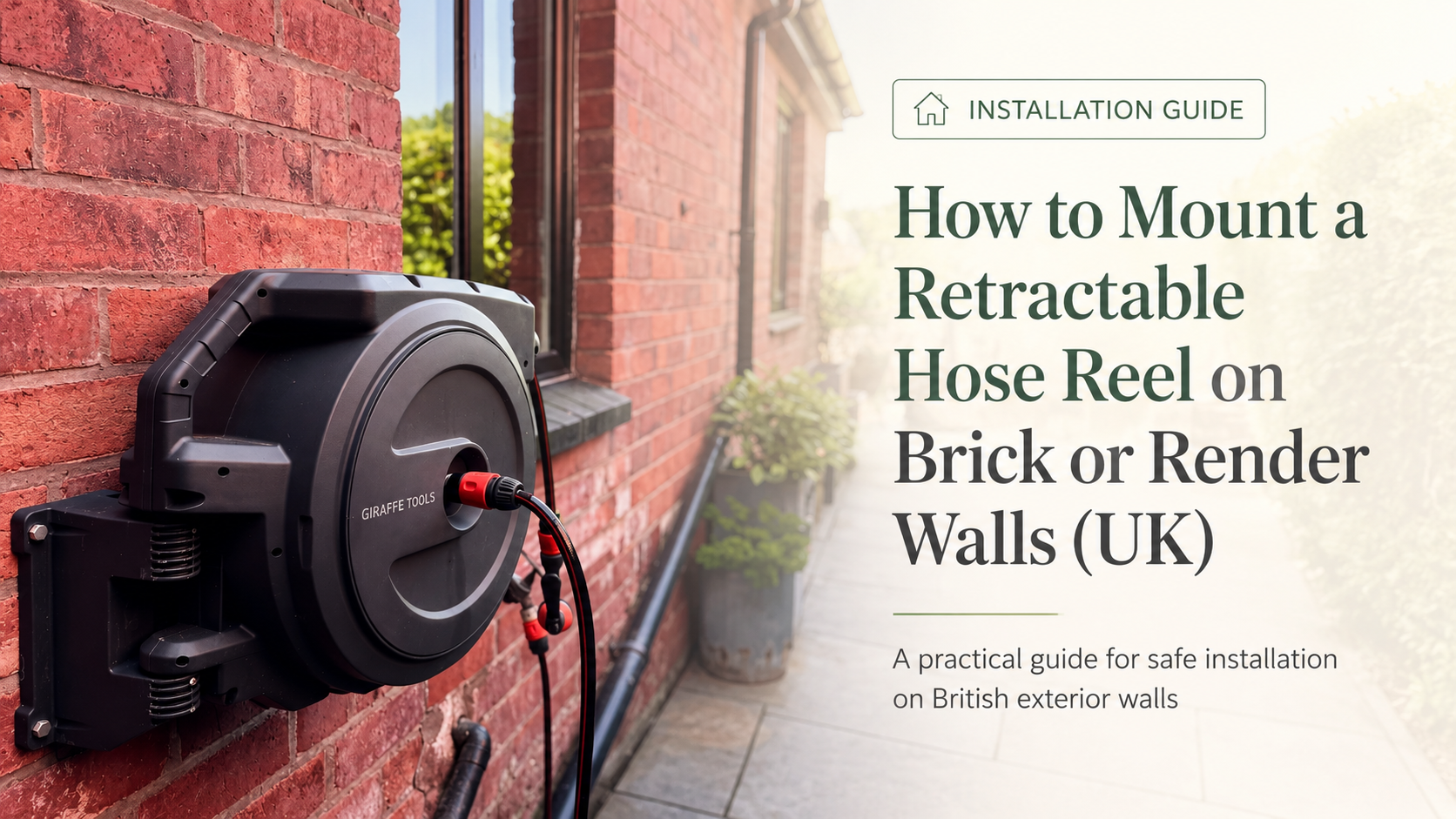
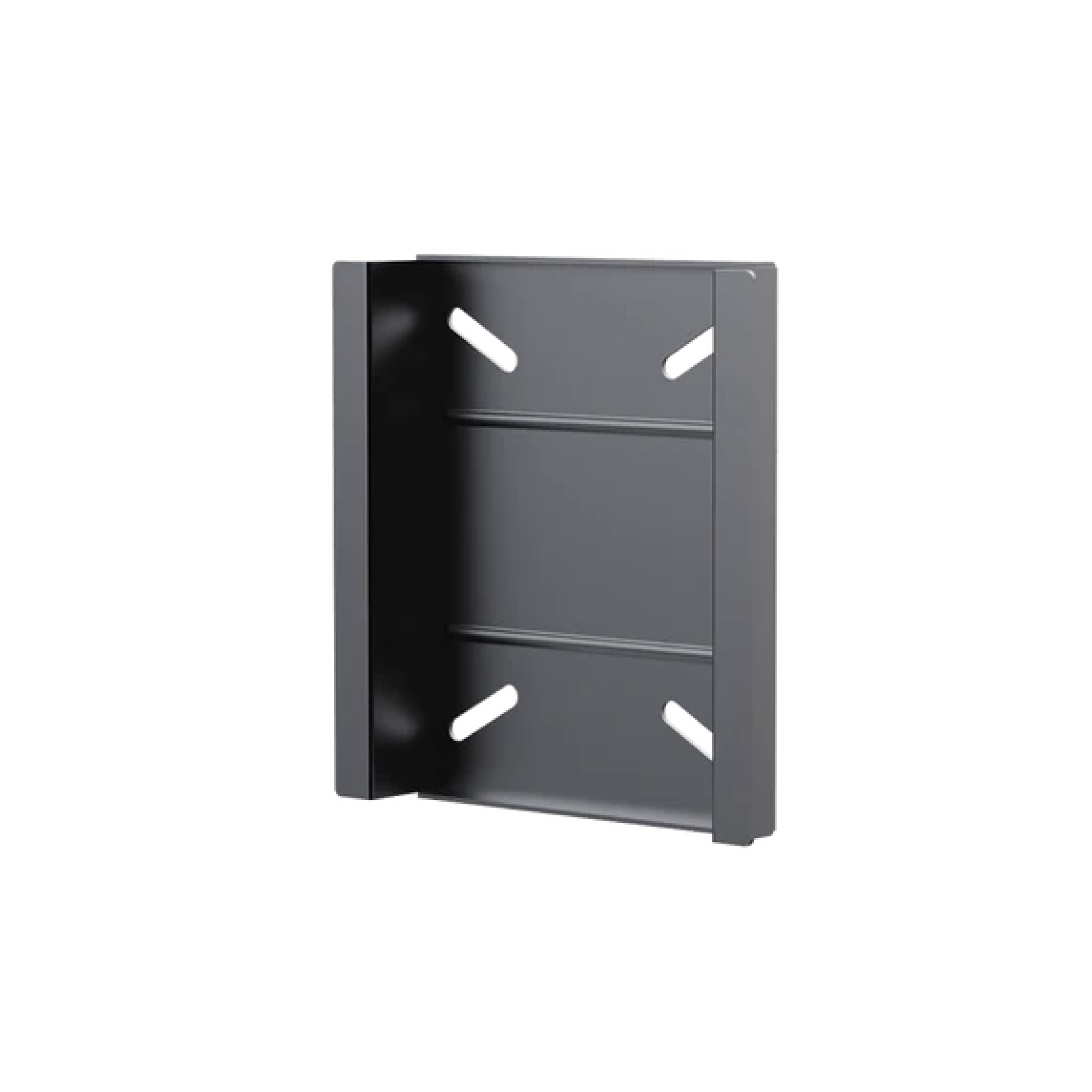
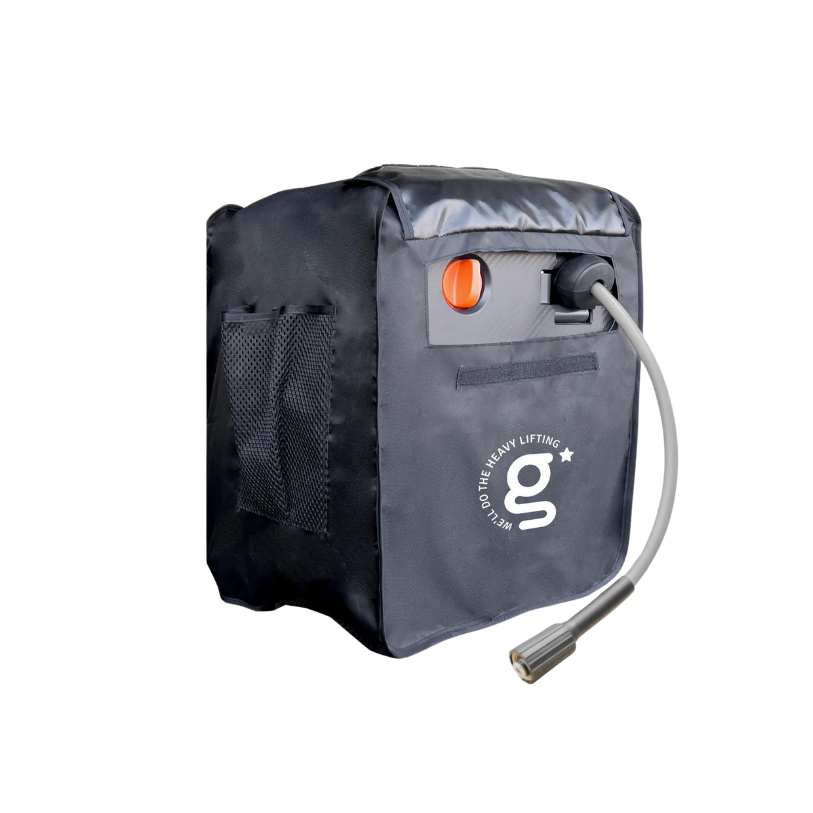
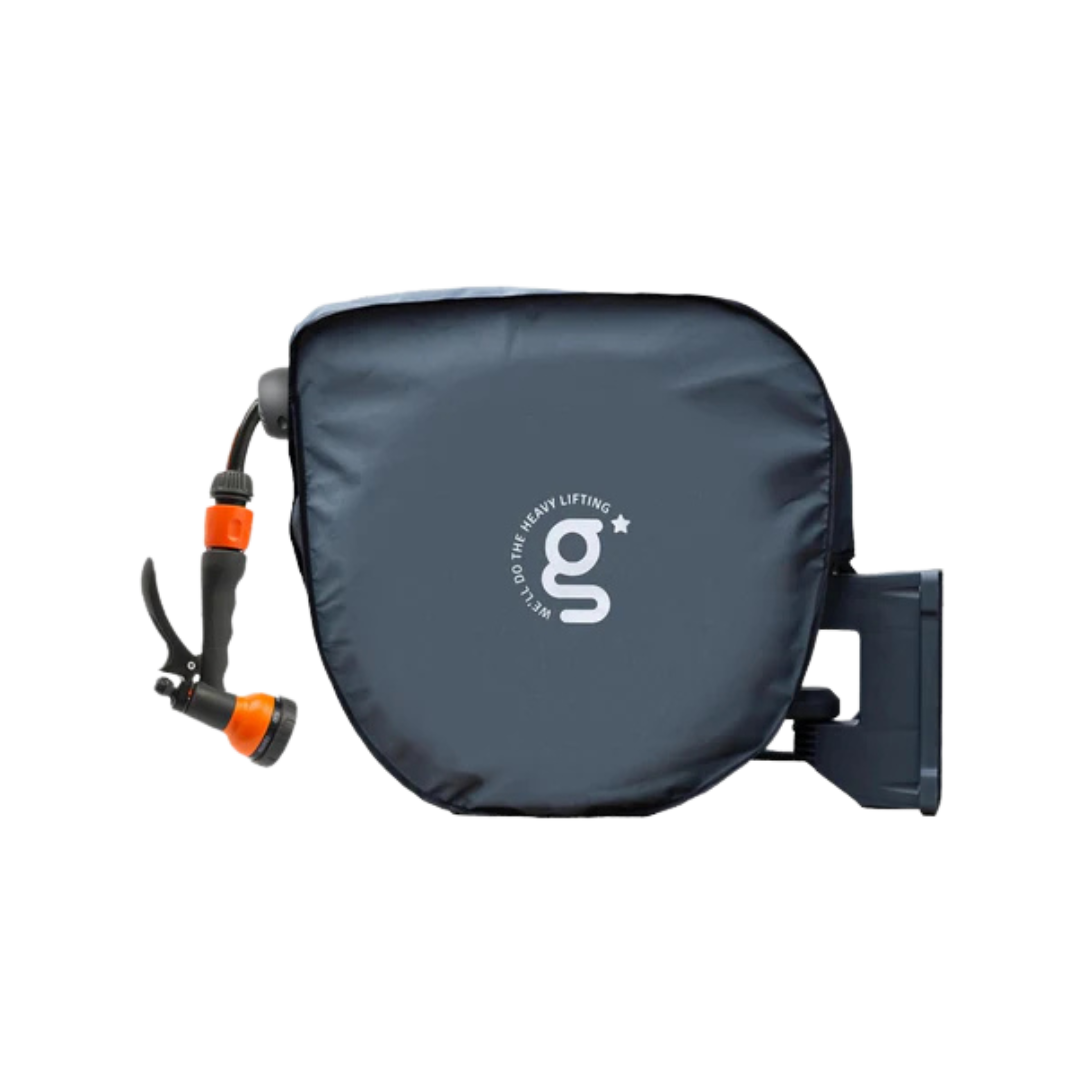
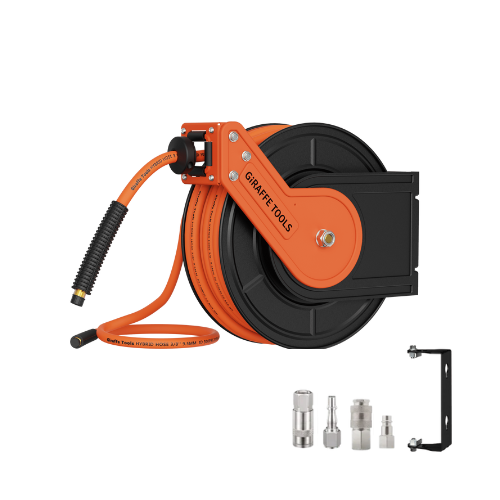
A wall-mounted retractable pressure washer keeps the main unit away from the driveway while allowing the hose to reach around parked vehicles and narrow side passages. It also removes the need to carry and reposition a portable machine during cleaning.
The Giraffe Tools UK range includes the Grandfalls G20, Essential and Plus. The Grandfalls Plus provides up to 165 bar of pressure, retractable hose storage and a Total Stop System for convenient routine home cleaning.
Final Thoughts
Identify the driveway material before choosing your pressure and nozzle.
Block paving needs careful joint protection and may require re-sanding. Tarmac needs low pressure and close observation. Concrete is generally more durable but still requires care around cracks and damaged edges.
With the correct preparation and technique, a pressure washer can restore a UK driveway efficiently without causing unnecessary surface damage.