







To winterise a pressure washer, flush out detergent, switch off and unplug the machine, release trapped pressure, drain every water-carrying part and store the unit somewhere dry and frost-free. Complete the job before the first forecast frost, because an outdoor cover cannot stop residual water from freezing. The eight steps below cover drainage, storage and a safe spring restart.
Why You Should Winterise a Pressure Washer
Water can remain in the pump, inlet, high-pressure hose, trigger gun, lance and nozzles after use. If it freezes, it expands and may split a hose, distort a seal or damage the pump. The problem may not appear until spring, when the machine leaks, pulses or cannot build pressure.
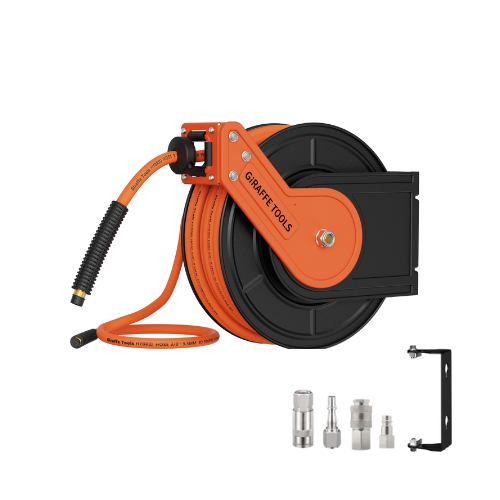
Winter storage is also about damp, not only ice. Detergent residue can leave deposits, while wet accessories stored on a cold floor may suffer corrosion or damaged O-rings. If carrying a bulky washer indoors and storing a loose hose is part of the problem, compare retractable pressure washer options that mount the machine and hose together. The setup still needs winterising, but makes inspection and drainage easier.
When Is the Right Time to Do It?
Winterise the washer after its final planned autumn clean and before the first forecast frost in your area. Do not wait for a prolonged cold spell. If the machine lives outdoors, complete the routine whenever freezing temperatures are possible and you do not expect to use it for a while.
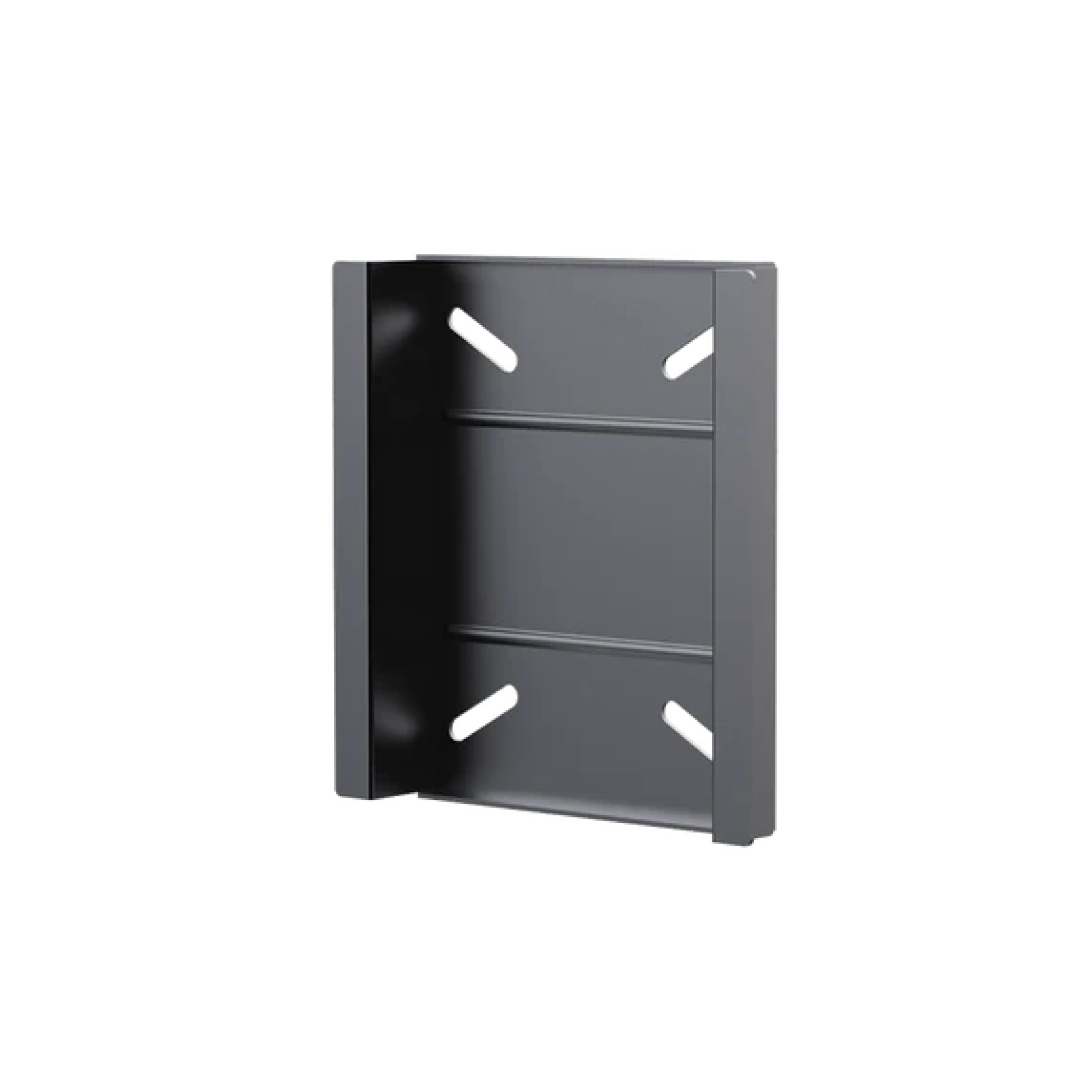
Owners of wall-mounted models should pay particular attention to the installation position. If you have a frost-free garage and want the hose stored off a damp floor, the Grandfalls Retractable Pressure Washer Plus provides wall-mounted storage with automatic hose rewind. It suits regular cleaning and organised storage, although the system must still be drained before freezing weather.
What You Need Before You Start
Set aside the machine manual, a dry cloth, a shallow container for drips and a small brush for the inlet filter. Choose the storage location before disconnecting anything. An attached garage or utility space that remains above freezing is normally safer than an unheated garden shed.
Drain procedures differ. Some manufacturers permit a brief powered purge, while others warn against running the pump without water. Use the steps below alongside your model manual; they are not permission to dry-run the motor.
How to Winterise a Pressure Washer Step by Step
1. Flush Out Any Detergent
Remove the detergent bottle or empty the detergent tank as directed in the manual. If the model specifies a clean-water rinse, complete it before shutting down. Detergent left in a line can thicken, leave deposits and obstruct the system during storage. Never mix cleaning chemicals or pour unused solution into a surface-water drain.
2. Switch Off and Isolate the Power
Turn the pressure washer off, unplug it with dry hands and place the plug where it cannot sit in water. Check the cable and UK plug for cuts, crushing, scorch marks or loose parts. If either is damaged, stop using the appliance and arrange a proper repair rather than taping over the fault.
3. Turn Off the Tap and Release Pressure
Close the outside tap. With the machine switched off and unplugged, point the gun in a safe direction and squeeze the trigger until the stored pressure is released. Keep people, pets, windows and delicate surfaces out of the line of discharge. This makes the remaining disconnection work safer.
4. Disconnect the Water Supply
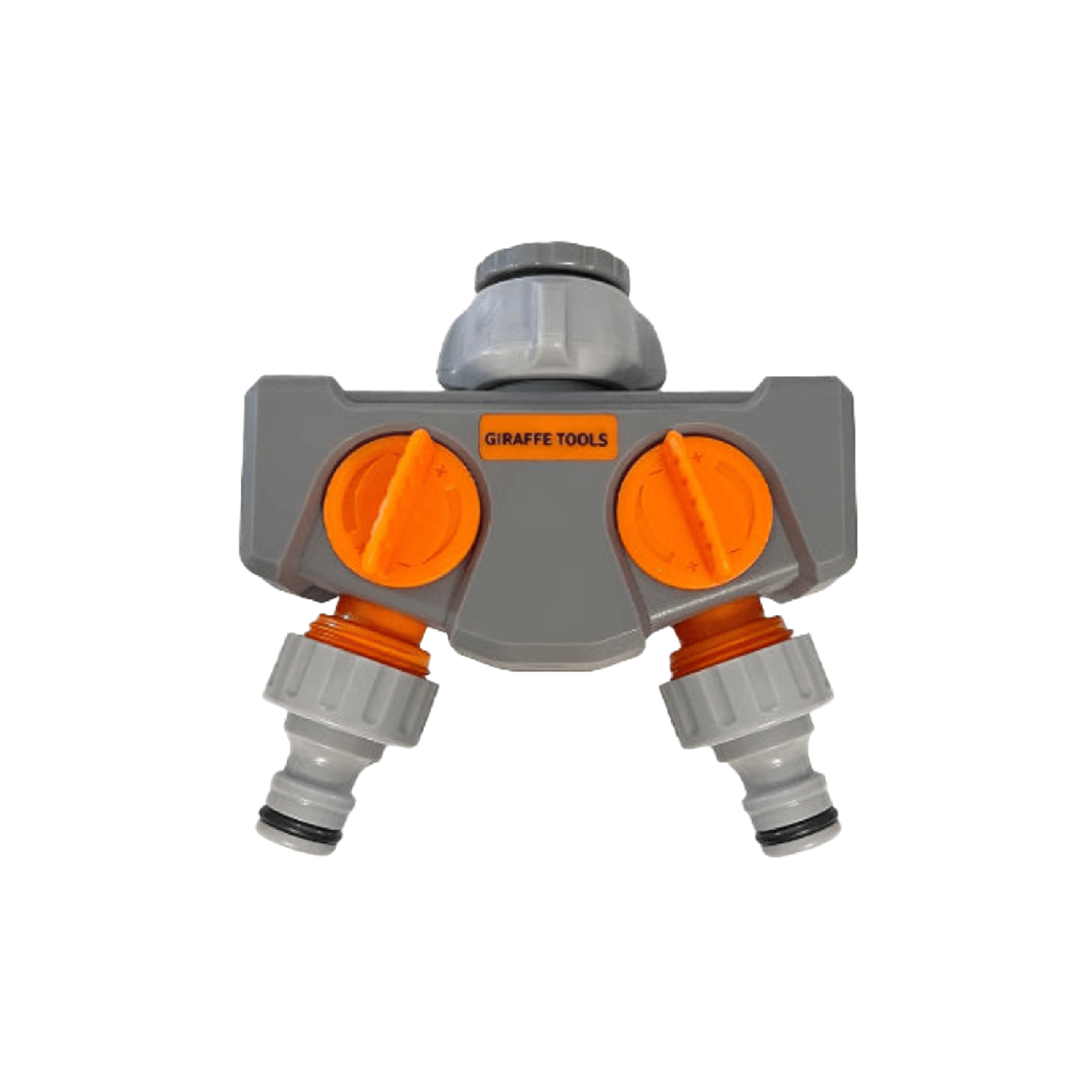
Detach the garden hose or inlet hose according to the manual and allow it to drain. Inspect the coupling, mesh inlet filter and rubber washer. Remove visible grit gently, then let the parts dry. Do not poke wire or sharp tools into the inlet because they can damage the filter or sealing surface.

5. Drain the High-Pressure Hose
Unwind the high-pressure hose fully so water cannot remain trapped in low loops. Hold one end lower than the other and work along the hose gently, allowing gravity to carry water towards the open end. Do not kink, stamp on or sharply bend the hose. Once drained, wipe it clean and let the outside dry before rewinding it evenly.
6. Drain and Dry the Gun, Lance and Nozzles
Disconnect removable accessories only as the manual allows. Let each piece drain with the opening facing down, then wipe it dry. Inspect nozzle openings and O-rings without enlarging them with pins or improvised tools. Store small nozzles and connectors together so they are not lost over winter.
7. Follow the Model-Specific Pump Drain Procedure
This is the step where instructions vary most. Follow the manufacturer’s exact sequence for clearing remaining water from the pump. Do not leave a pressure washer running without an adequate water supply unless the manual explicitly tells you to run it briefly as part of winterisation. A long dry run can damage the pump.
8. Dry, Rewind and Secure Everything
Wipe the casing, vents and hose, then allow damp parts to air-dry before closing up the storage area. Rewind retractable hose slowly and under control; do not let the hose whip back into the reel. Keep the gun and attachments off a wet concrete floor.

Where Should You Store It Over Winter?
Choose a dry, ventilated and reliably frost-free location, such as a heated or well-insulated attached garage, workshop or utility room. An unheated garage or timber shed may fall close to the outside temperature overnight. Keep the machine away from draughty doors, broken vents and standing water.
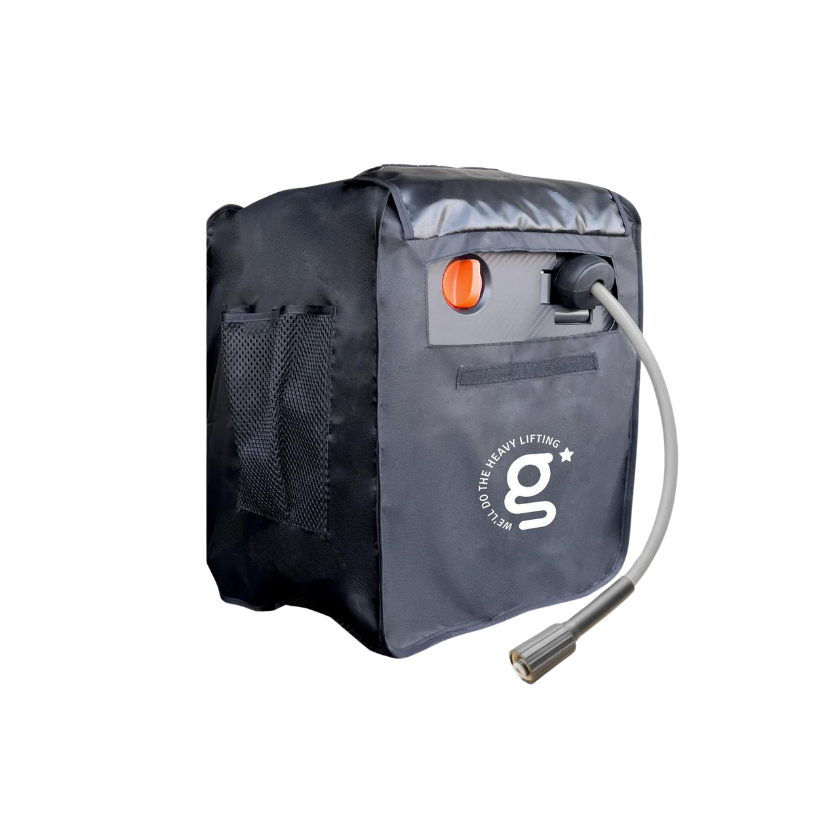
If you use a wall-mounted model, consult its manual before removing or moving the unit. The hose, gun and detachable accessories should still be drained and protected. A fitted cover can reduce dust and weather exposure, but it is not insulation and cannot guarantee frost protection.
Do not stop after draining the washer. The supply hose and its reel can also hold water that may freeze, so they need their own end-of-season check. If your hose is stored on a reel, follow the step-by-step guide to maintaining a retractable garden hose reel in winter before closing the garage or shed for the season.
Do You Need Pump Protector or Antifreeze?
Only use a pump protector or antifreeze product if the pressure-washer manufacturer approves it for your exact model and explains how to apply it. Do not pour automotive antifreeze, screenwash or an improvised chemical mixture into the machine. The wrong fluid can harm seals, create a disposal problem and may affect warranty cover.
For many domestic machines, thorough drainage followed by genuinely frost-free storage is the simplest approach. Where frost-free storage is impossible, check the model manual or contact the manufacturer before attempting an alternative.
How to Restart the Pressure Washer in Spring
If the unit has been stored somewhere cold, let it reach a moderate temperature. Inspect the hose, gun, cable, plug, couplings, O-rings and inlet filter, replacing damaged parts before testing. Connect the water and vent trapped air as the manual specifies before switching on.
Start with a short test in an open area. Watch for leaks, pulsing pressure, unusual noises or electrical protection tripping. If the machine may have frozen, do not power it up immediately. Let it thaw fully and arrange an inspection if the casing is cracked, water escapes from the body or the pump will not operate normally.
If winter damage makes repair uneconomical and you want a compact wall-mounted replacement, the Grandfalls Retractable Pressure Washer G20 combines a 20-metre hose with automatic retraction. It is worth considering when easy setup and keeping the hose neatly off the garage floor matter more than moving a portable washer between jobs.
Frequently Asked Questions
How do I winterise my pressure washer?
Flush out detergent, switch off and unplug the machine, close the tap, release trapped pressure and drain the pump, hose, gun and accessories. Let everything dry, then store the washer somewhere frost-free.
Is it necessary to winterise a pressure washer?
Yes, if the washer may be exposed to freezing temperatures. Water left inside can expand and damage seals, hoses or the pump, even when the machine has not been used for several weeks.
How cold is too cold for a pressure washer?
Avoid using or storing a water-filled pressure washer when temperatures are near or below 0°C. Ice can form inside the machine or on the surface being cleaned, creating damage and slip risks.
Can a pressure washer stay outside in the winter?
A Grandfalls wall-mounted pressure washer may be installed outdoors, but it should not remain exposed to freezing conditions with water inside. Drain it fully and follow the model manual; a cover alone is not frost protection.
How do you start a pressure washer after it has been sitting for a while?
Inspect the plug, cable, inlet filter, seals, gun and hose first. On a retractable pressure washer, extend the hose and check it for damage. Connect the water, vent trapped air as instructed, then run a short leak test.
Final Thoughts
The safest UK winter routine is straightforward: clean out detergent, isolate the supply, release pressure, drain every water-carrying part, dry the accessories and store the washer above freezing. Do it before the first frost rather than after it. A few careful minutes in autumn can prevent a damaged pump, leaking hose or disappointing first clean in spring.